History
World Indoor Athletics action began in Paris in 1985 under the name World Indoor Games, and later changed its title. At Paris-Bercy, 319 athletes competed, and East Germany became the most successful team.
In the 1995 edition, contested nations rose to 131, as the number of athletes nearly doubled compared with ten years earlier. In 1999, World Indoors visited Asia for the first time, in the Japanese city of Maebashi, and it was a great success. Many more world-renowned stars competed there, while the event concluded with two back-to-back world records in relays.
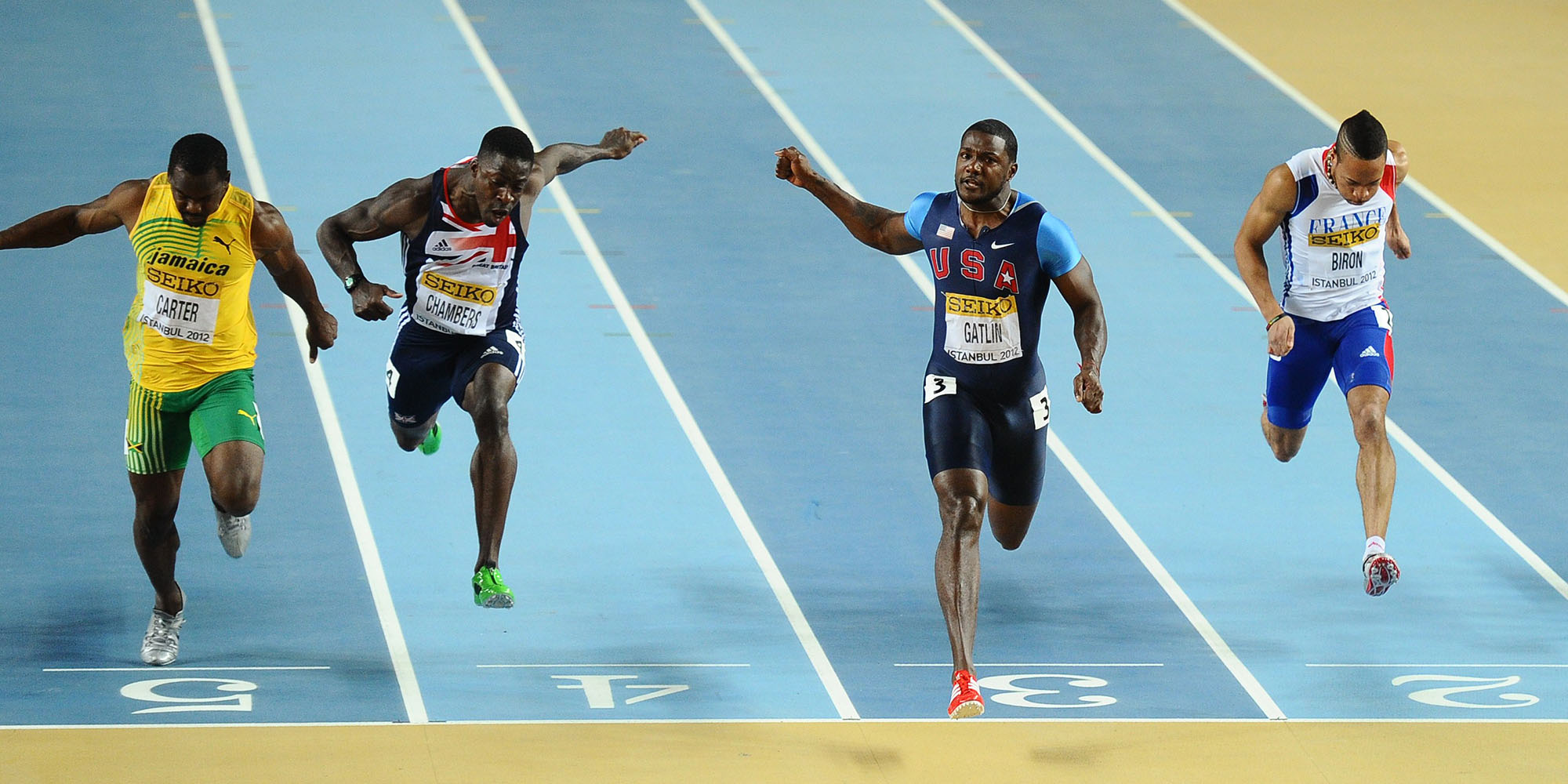
The biennial championship changed its time slot in 2004, moving from odd years to even years. During the 2000s, the World Indoors took place mainly in Europe, except for Doha in 2010. The 2012 fourteenth edition in Istanbul was the largest indoor athletics assembly ever, with 171 nations gathered at the newly constructed Ataköy Arena.
World Indoors 2018 was held in Birmingham. Christian Coleman stole the show in the packed National Indoor Arena to break the 60m championships record. Another highlight was the Polish men's relay team breaking the world record in the 4x400 metres, defeating the United States.
Serbian Belgrade hosted the 2022 edition after a four-year break. The championships have staged many memorable moments, including three world indoor records (one equal) and local heroine Ivana Vuleta's title defence in front of a partisan crowd.
NOTES
(By Mark Butler)
♦ Maria Mutola (MOZ) is the biggest achiever of this event with seven gold, one silver, one bronze. Natalia Nazarova (RUS) also won seven golds and a silver. Two great jumpers, Ivan Pedroso (CUB) and Stefka Kostadinova (BUL) impressed by taking five golds each on their brilliant careers.
♦ Most contested athletes at World Indoors: Maria Mutola (9 times, 1993-08), Ruth Beitia (9 times, 2001-16) Javier Sotomayor (8 times, 1985-95, 1999-01), Manuel Martinez (8 times, 1995-08), Chris Brown (8 times, 2003-16)
♦ Held in 12 different countries. Spain is the only country that hosted the event three times in three different cities (Sevilla, Barcelona, Valencia).
♦ Most countries represented: Istanbul 2012 (171 countries)
♦ Highest number of participants: Paris 1997 (712 athletes)
VENUES & PARTICIPATION FIGURES
1985 Paris (FRA), Omnisport Bercy: 320 athletes from 69 countries
1987 Indianapolis (USA), Hosier Dome: 402 athletes from 84 countries
1989 Budapest (HUN), Sportcsarnok: 378 athletes from 61 countries
1991 Sevilla (ESP), Palacio de los Deportes: 521 athletes from 81 countries
1993 Toronto (CAN), The Skydome: 560 athletes from 93 countries
1995 Barcelona (ESP), Palau Sant Jordi: 592 athletes from 131 countries
1997 Paris (FRA), Omnisport Bercy: 705 athletes from 118 countries
1999 Maebashi (JPN), Green Dome: 472 athletes from 115 countries
2001 Lisbon (POR), Atlantic Pavilion: 517 athletes from 136 countries
2003 Birmingham (GBR), National Arena: 584 athletes from 132 countries
2004 Budapest (HUN), Budapest Sportarena: 677 athletes from 139 countries
2006 Moscow (RUS), Olympyski Indoor Stadium: 561 athletes from 128 countries
2008 Valencia (ESP), Velodromo Luis Puig: 575 athletes from 147 countries
2010 Doha (QAT), Aspire Dome: 583 athletes from 142 countries
2012 Istanbul (TUR), Ataköy Arena: 630 athletes from 171 countries
2014 Sopot (POL), Ergo Arena: 539 athletes from 134 countries
2016 Portland (USA), Oregon Convention Center: 490 athletes from 137 countries
2018 Birmingham (GBR), Arena Birmingham: 554 athletes from 134 countries
2022 Belgrade (SRB), Stark Arena: 612 athletes from 129 countries
2024 Glasgow (GBR), Emirates Arena: 587 athletes from 128 countries
2025 Nanjing (CHN), Nanjing's Cube: 517 athletes from 118 countries
2026 Torun (POL), Arena Torun: 674 athletes from 118 countries (expected)
MOST SUCCESSFUL ATHLETES
9 Maria Mutola, Mozambique (7-1-1)
8 Natalya Nazarova, Russia (7-1-0)
7 Meseret Defar, Ethiopia (4-2-1)
7 Sandie Richards, Jamaica (3-4-0)
7 Merlene Ottey, Jamaica (3-2-2)
6 Olesya Zykina, Russia (5-0-1)
6 Gail Devers, United States (4-2-0)
6 Svetlana Goncharenko, Russia (3-2-1)
6 Jearl Miles-Clark, United States (2-1-3)
6 Javier Sotomayor, Cuba (4-1-1)
6 Chris Brown, Bahamas (1-2-3)
YOUNGEST & OLDEST
(by Mark Butler)
Youngest Men's champion: Mohamed Aman (ETH), 800m (2012) with 18 years, 61 days
Youngest Women's champion: Vashti Cunningham (USA), HJ (2016) with 18 years, 62 days
Youngest Men's medallist: Javier Sotomayor (CUB), HJ (1985) with 17 years, 97 days
Youngest Women's medallist: Andrea Miklos (ROU), 4x400m (2016) with 16 years, 338 days
Oldest Men's champion: Bernard Lagat (USA), 3000m (2012) with 37 years, 90 days
Oldest Women's champion: Yelena Podkopaeva (RUS), 1500m (1997) with 44 years, 271 days
Oldest Men's medallist: Bernard Lagat (USA), 3000m (2014) with 39 years, 87 days
Oldest Women's medallist: Yelena Podkopayeva (RUS), 1500m (1997) with 44 years, 271 days
LONGEST STREAKS BY A COUNTRY
8 Russia in Women's 4x400m (1995-2008)
6 United States in Men's SP (2004-2014)
6 United States in Men's 4x400m (2006-2016)
5 Soviet Union & Russia in Men's PV (1985-1993)
5 Cuba in Men's LJ (1993-2001)
5 United States in Men's heptathlon (2008-2016)
5 Ethiopia in Women's 3000m (2003-2010)
 Ethiopia
 Cuba
 Soviet Union
 Jamaica
 Germany
 Sweden
 Italy
 Germany DR (1949-89)
 Ukraine
 Czech Republic
 Romania
 New Zealand
 Australia
 Netherlands
 Bulgaria
 Kenya
 Bahamas
 Belgium
 Greece
 Mozambique
 Switzerland
 Morocco
 Ireland
 Brazil
 Republic of South Africa
 Norway
 Belarus
 Venezuela
 Nigeria
 Burundi
 Croatia
 Sudan
 Authorized Neutral Athletes
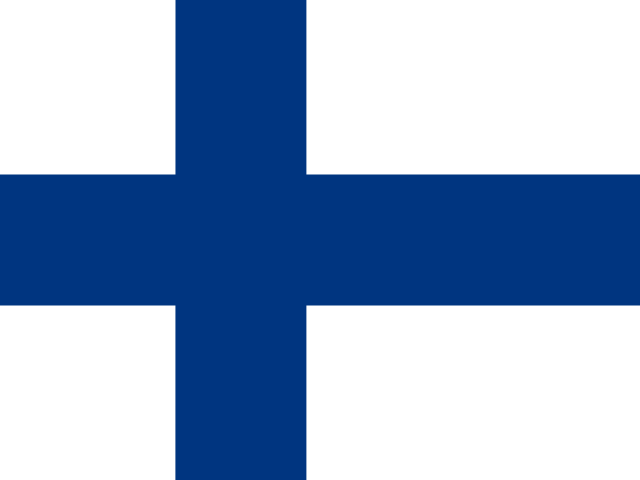 Finland
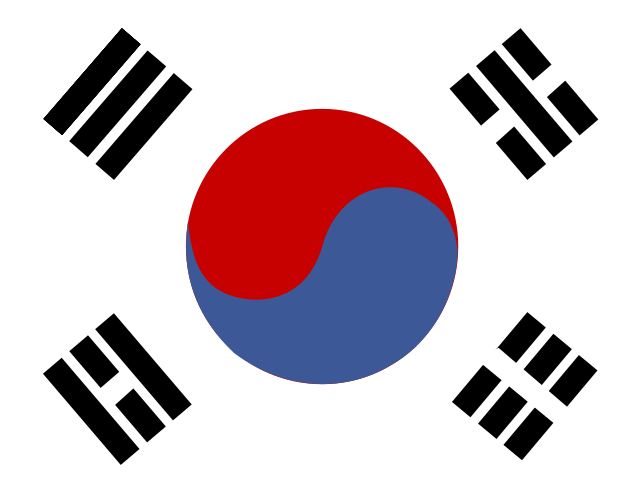 Republic of Korea
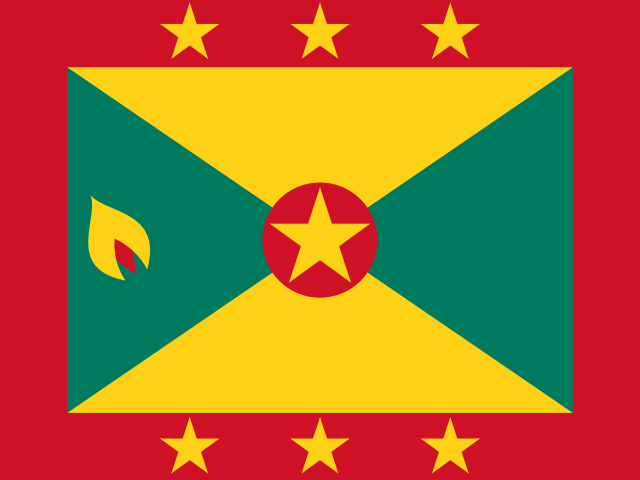 Grenada
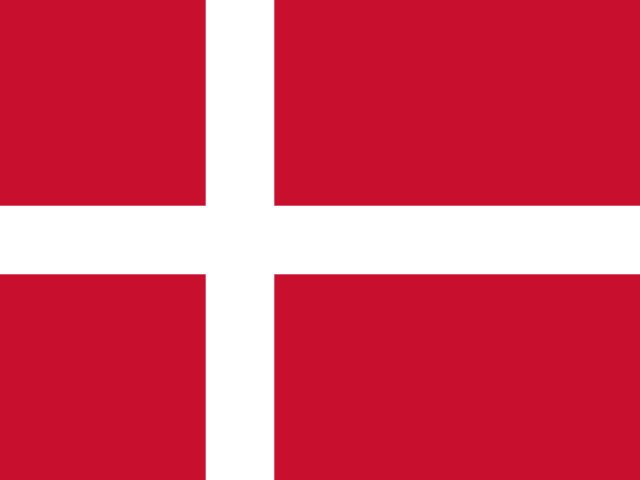 Denmark
 Ivory Coast
 Trinidad & Tobago
 Bahrain
 Algeria
 Bermuda
 Ghana
 Namibia
 Burkina Faso
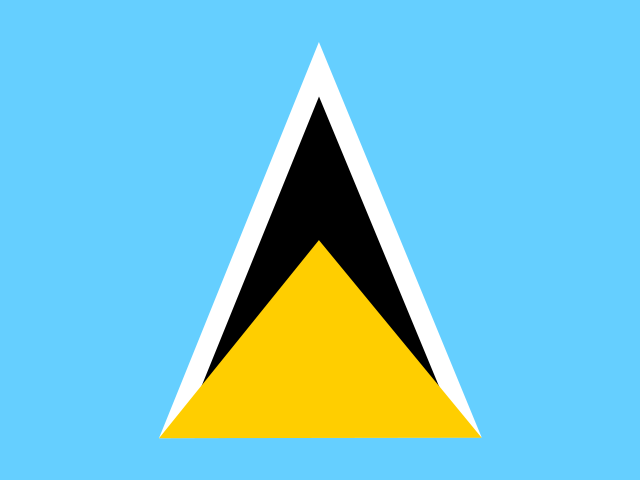 St. Lucia
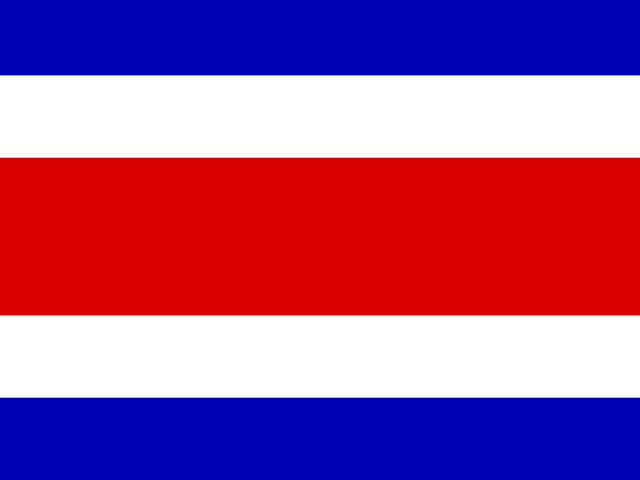 Costa Rica
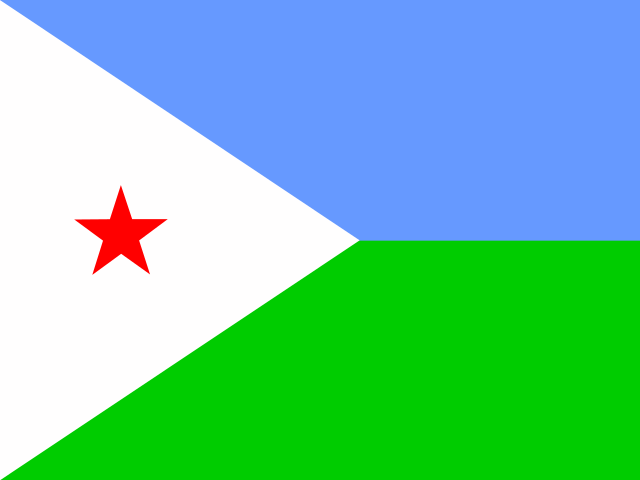 Djibouti
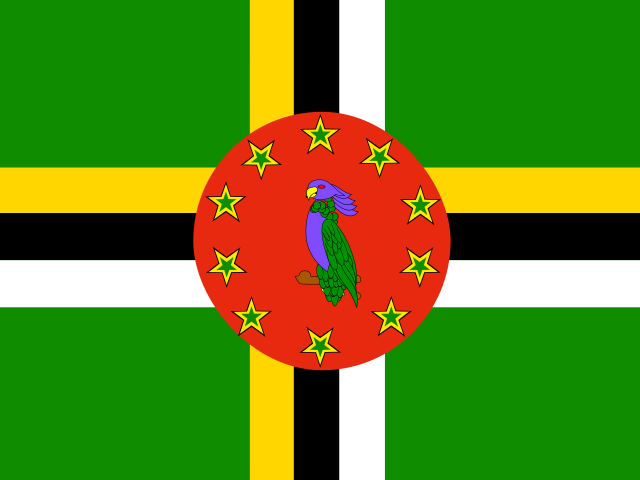 Dominica
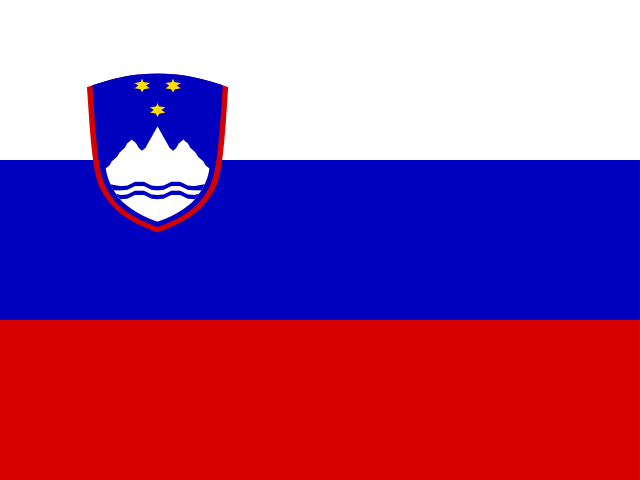 Slovenia
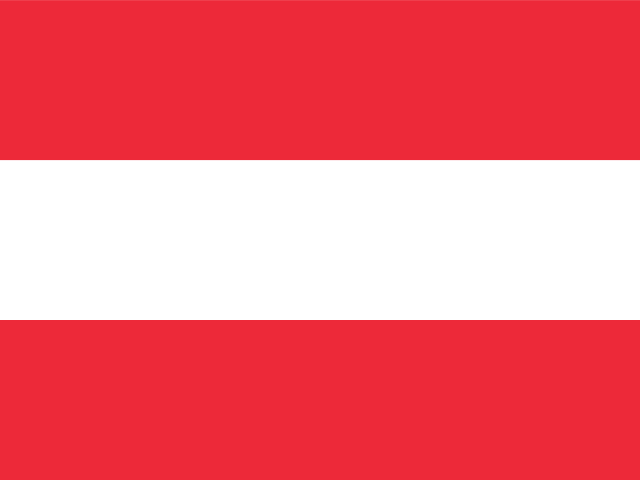 Austria
 Estonia
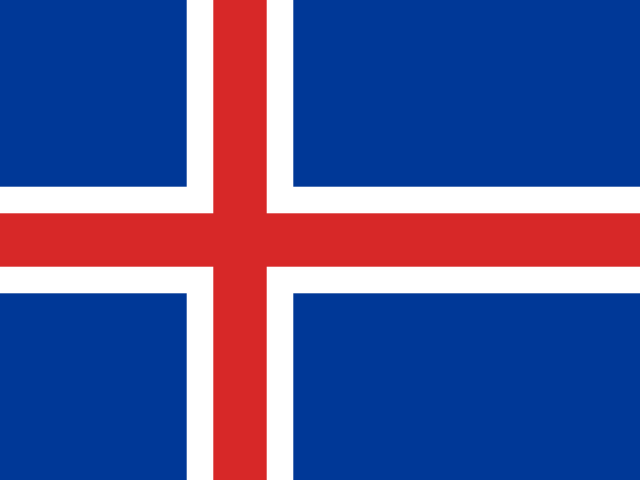 Iceland
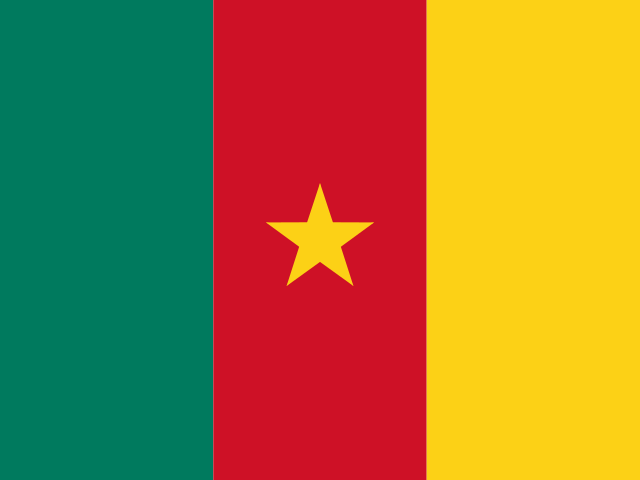 Cameroon
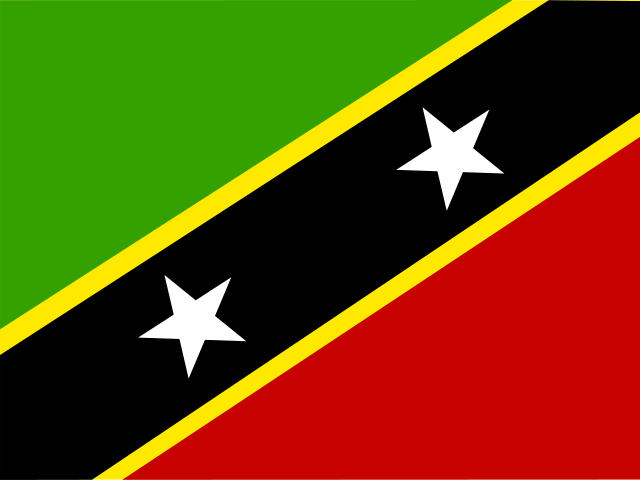 St. Kitts & Nevis
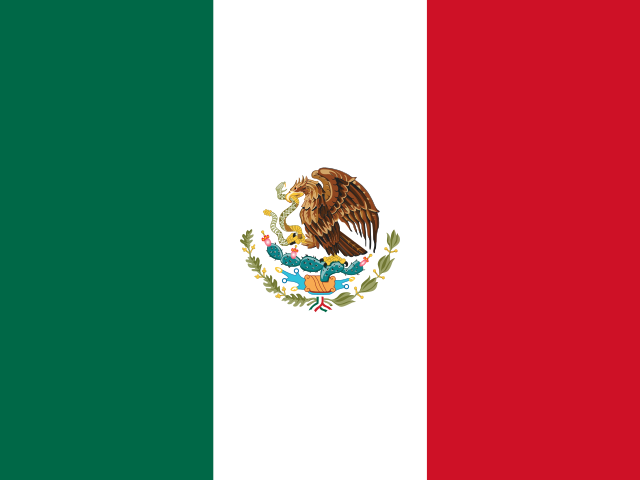 Mexico
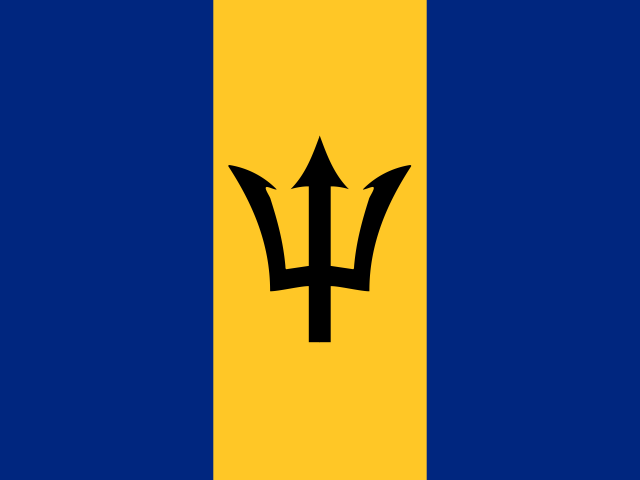 Barbados
 Botswana
 Latvia
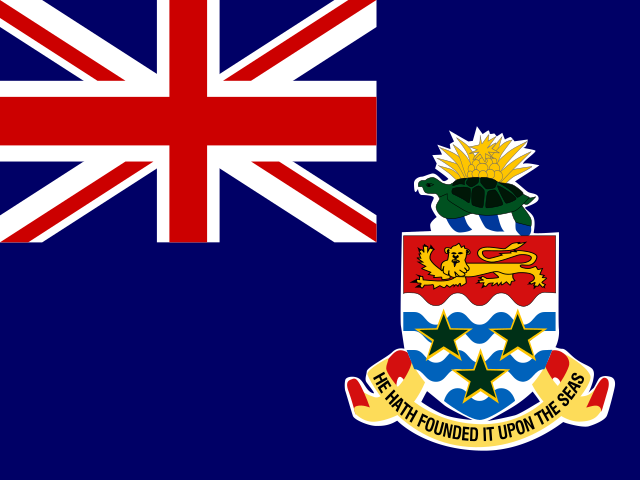 Cayman Islands
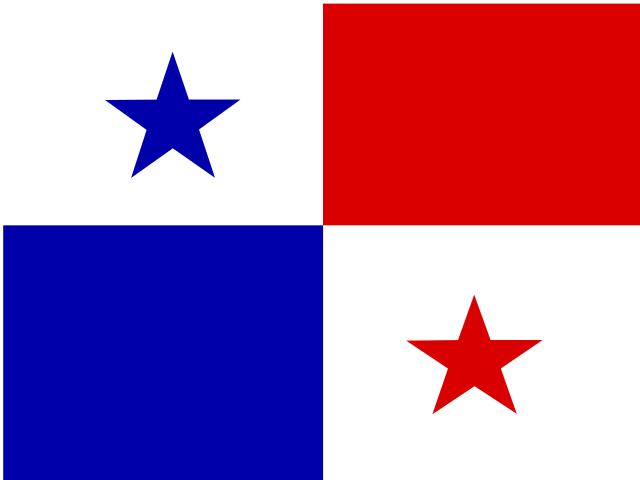 Panama
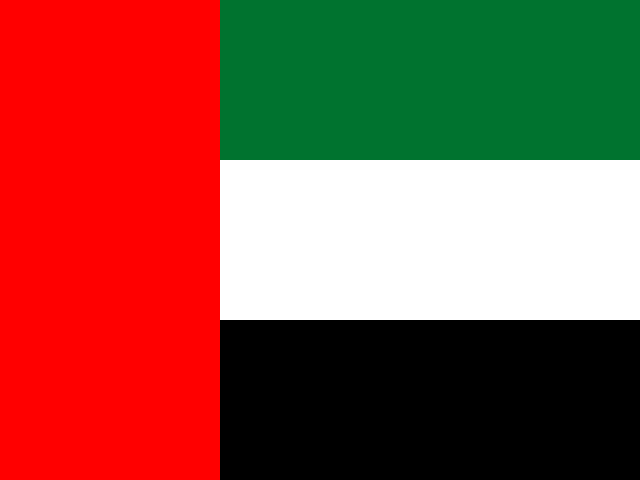 United Arab Emirates
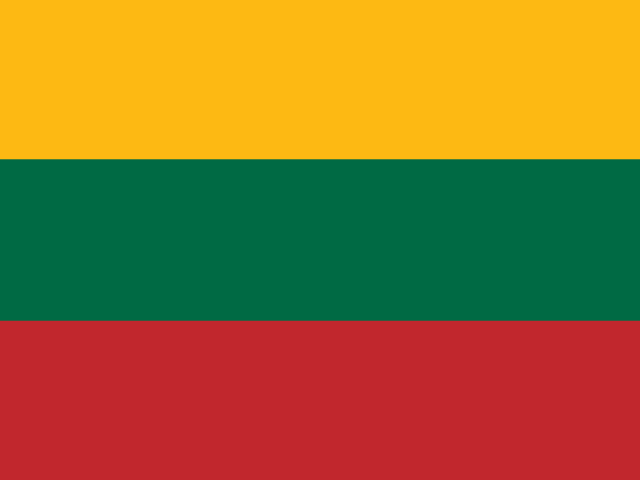 Lithuania
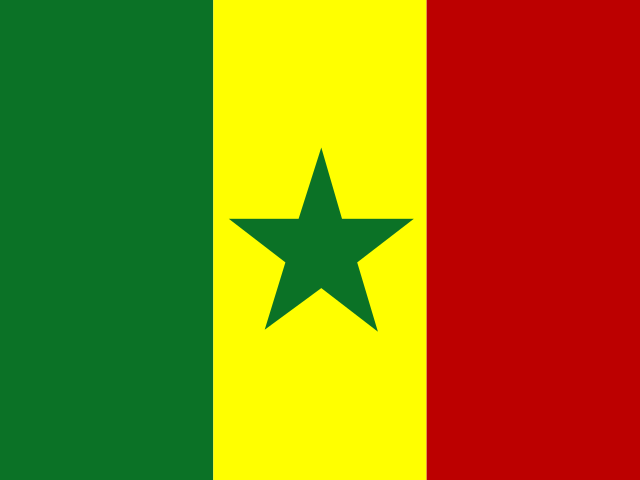 Senegal
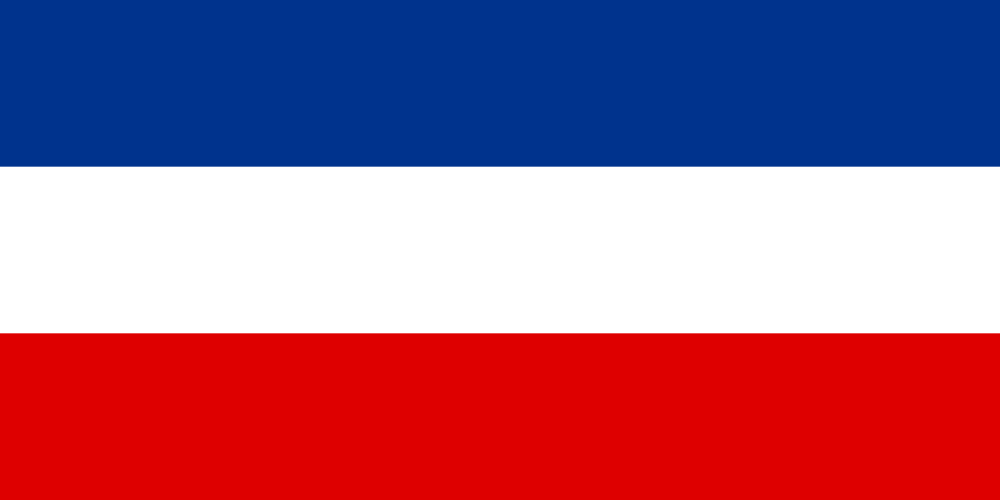 Yugoslavia (1993-2004)
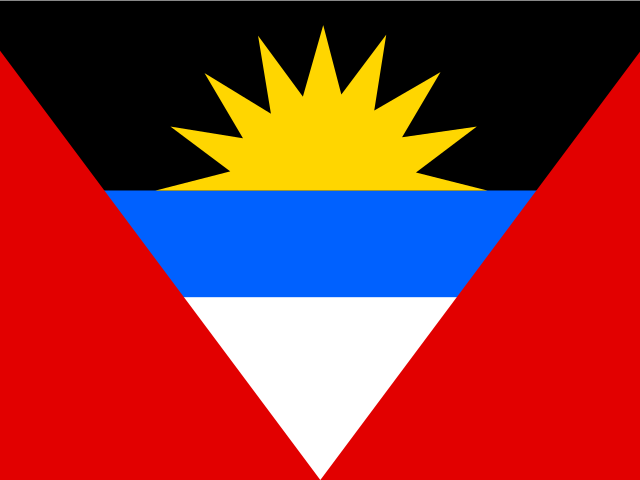 Antigua & Barbuda
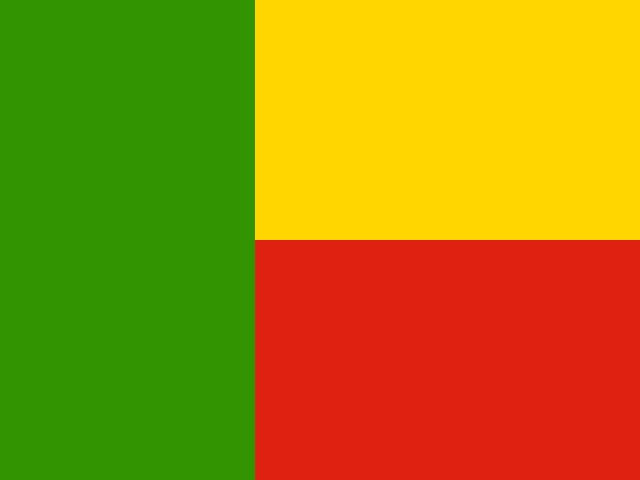 Benin
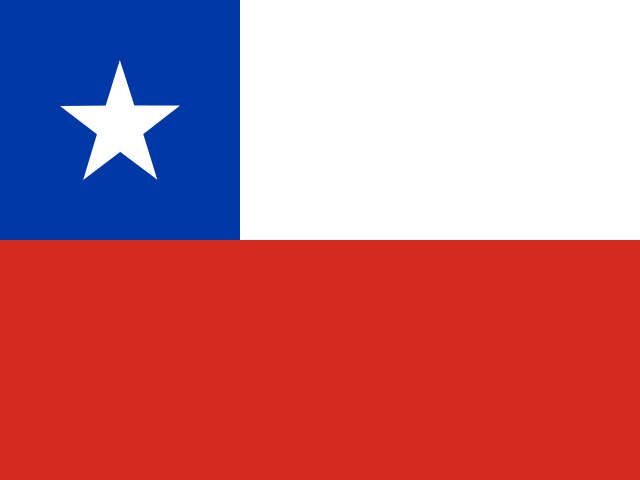 Chile
 DR of Congo
 Colombia
 Cyprus
 Dominican Republic
 Gabon
 British Virgin Islands
 Saudi Arabia
 Luxembourg
 Surinam
 Uganda