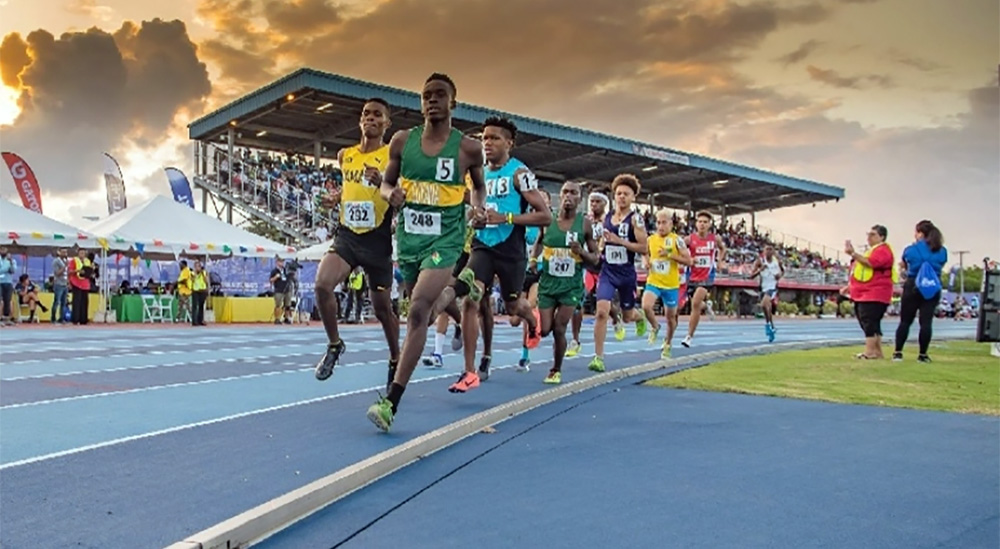
As we all know, the Caribbean nations have an enormous contribution to the athletics world. Jamaica, Bahamas and Trinidad & Tobago have led the region for years, but some other minor island nations are well-succeeded at the international scene. The Caribbean athletics culture that we mention, was mainly fueled by a grassroots competition for last 50 years: CARIFTA Games. In other words, The World's most prominent regional contest in athletics.
The main idea of the CARIFTA (Caribbean Free Trade Association) Games to be is to use this event as an instrument of improving relations between Caribbean countries, it came after the West Indies Federation ceased to exist. However, the idea that only the English-sporken Caribbean countries should participate was soon abandoned as the French-speaking islands and Dutch Antilles were allowed to participate. The games are usually held over the course of three days and during the period of Easter and during that period more than 100 events are held.
Austin Sealy, then president of Barbadian Athletics, took an initiative for inaugural edition in 1972. More than hundred young athletes coming from eleven nations have been contested 23 events at Barbadian National Stadium in Bridgetown. Future Pan American medallists and Olympians Lelieth Hodges, Seymour Newman, Clive Bariffe were among the participants in the first edition.
CARIFTA Games had divided into two-age groups starting from its second edition. U-17 athletes - such an age group not officially contested any part of the world officially in that time - were added to programme alongside main events held in under 20 age group. In early editions, only sprint-related events were offered for Under-17 participants but total events number reached 52 in 1982.
The Games have deserved fame by producing high-class junior athletics and production of future Olympic champions in the following years. In the 'productive' decade of 90s, Debbie Ferguson (Bahamas), Lacena Golding (Jamaica), Cydonie Mothersill (Cayman Islands), Obadele Thompson (Barbados) and Avard Moncur (Bahamas) were amongst the sprint winners of U20 races. Up to 2000s, Jamaican superstars such as Usain Bolt, Veronica Campbell Brown, Yohan Blake, Sherone Simpson were also standing tall in CARIFTA podiums.
Usain Bolt contested first time at CARIFTA Games in 2001 where he earned two silver. But subsequent year, he fired up in Nassau to take three titles with Games records in U17 level. In 2003, the madcap Jamaican has ruled the Games with four golds and he broke games records in every race he contested, thus bringing him Austin Sealy Award which was given to the most prominent talent of the Games. Bolt marked big on his fourth attendance at the event in 2004, where he established 19.93 World Junior 200 metres record well ahead of Daniel Bailey, who will be also a prominent Olympian in upcoming years.
Yohan Blake, another World champion who blossomed from CARIFTA, broke 100 metres U20 games record in 2007 with superbly done 10.11 secs. Blake cuts 0.04 from Darrell Brown's 10.22 in the semi final, then lowered it 10.12 with 0.30 seconds margin over Trinidad's Keston Bledman. 2011 World Champion is still holding men's 100 metres CARIFTA Games U20 record.
Just two years later from Blake's stunning 100 metres record, another future Olympic great arrived on the scene: Kirani James. 1992-born Grenadian dazzled everybody in 2009 win to clinch Austin Sealy Award as well, and retained his 400 metres title in 2010 by clocking magnificent 45.02 in the final, which was a strong signal to next year's World Championships title in Daegu. He easily secured 200-400 double in CARIFTA Games 2010 edition.
CARIFTA Games held in George Town recently in 2019 with 29 nations have contested, but it ceased due to Covid-19 outbreak for two consecutive years. Happily, the great tradition returned on track in 16-18 April at Independence Park in Jamaican capital Kingston. For the 49th edition. For the half of a century well-deserved celebration.