History
The World Athletics Championships are a biennial athletics competition organized by World Athletics. Athletics is considered in many ways as "the number one sport in Olympics". Therefore, the Olympics are functionally considering as Athletics World Championships before 1983.
The ‘official’ World Championships idea was heated in 1976 after response to the IOC decision about dropping the men's 50 km walk from the 1976 Montreal Olympics. The IAAF was arranged sole-event World Champs in Malmö for race walkers. The second pre-edition of the championships were at Sittard in 1980, just for women’s 400m hurdles and 3000 metres. After the Montreal Games, IAAF chose to host its own world championship event. Helsinki became the host for the first World Athletics Championships in the summer of 1983.
In the beginning, IAAF World Championships, one of the greatest sporting events of the World - labeled as third biggest after Olympics and FIFA World Cup – were held every four years until 1991, then its switched to two-year circle. In 1999, the Championships hits 200 participated countries for the first time. Until today, more than 100 countries have collected a medal in this championships, that proved presence of athletics in all over the world. During 21st century, nearly all editions gathered 200 countries together (only Daegu had 199) for highest level of athletics.
World Athletics Championships' programme has several changes over the years. Starting with 41 events in 1983, now the total number up to 49. Here's the list of additional events from the starts:
1983 Helsinki: 41 events (24 men+17 women)
1987 Rome: 43 events (Women's 10,000m and 10km race walk added)
1993 Stuttgart: 44 events (Women's triple jump added)
1995 Göteborg: 44 events (Women's 3000m replaced with 5000m)
1999 Seville: 46 events (Women's pole vault and hammer throw added)
2005 Helsinki: 47 events (Women's 3000SC added)
2017 London: 48 events (Women's 50km race walking added)
2019 Doha: 49 events (Mixed 4x400 relay added)
2022 Eugene: 49 events (35km race walking replaced by 50km)
NOTES & STATISTICS
(by renowned statistician Mark Butler)
MOST MEDALS
20 Allyson Felix (USA), 14-3-3 in 10 appearances (2003-22)
17 Shelly-Ann Fraser-Pryce (JAM), 10-6-1 in 9 appearances (2007-25)
14 Usain Bolt (JAM), 11-2-1 in 7 appearances (2005-17)
14 Merlene Ottey (JAM), 3-4-7 in 8 appearances (1983-07)
12 Shericka Jackson (JAM), 4-4-4 in 6 appearances (2015-25)
11 Veronica Campbell-Brown (JAM), 3-7-1 in 5 appearances (2005-15)
10 Carl Lewis (USA), 8-1-1 in 4 appearances (1983-93)
10 Justin Gatlin (USA), 4-6-0 in 5 appearances (2005, 2013-19)
10 Noah Lyles (USA), 8-1-1 in 5 appearances (2017-25)
MOST APPEARANCES
14 Joao Vieira (POR), 20K/50K walk (1999-2025)
13 Jesus Angel Garcia (ESP), 50km walk (1993-2015, 2019)
12 Ser-Od Bat-Ochir (MGL), Marathon (2003-25)
11 Susana Feitor (POR), 20K walk (1991-2011)
11 Ines Henriques (POR), Race walking (2003-23)
11 Melina Robert-Michon (FRA), DT (2001-25)
10 Virgilijus Alekna (LTU), DT (1995-2013)
10 Kim Collins (SKN), sprints (1995-2011, 2015)
10 Franka Dietzsch (GER), DT (1991-2009)
10 Nicoleta Grosu (ROU), DT (1993-2001, 2005-13)
10 Allyson Felix (USA), Sprints (2003-22)
YOUNGEST & OLDEST
Youngest men's champion: Ismael Kirui (KEN), 5000m (1993) with 18 years, 177 days
Youngest women's champion: Tirunesh Dibaba (ETH), 5000m (2003) with 17 years, 333 days
Youngest men's medallist: Darrel Brown (TTO), 4x100m (2001) with 16 years, 305 days
Youngest women's medallist: Sally Barsosio (KEN), 10,000m (1993) with 15 years, 153 days
Oldest men's champion: Yohann Diniz (FRA), 50km walk (2017) with 39 years, 224 days
Oldest women's champion: Ellina Zvereva (BLR), DT (2001) with 40 years, 268 days
Oldest men's medallist: Joao Vieira (POR), 50km walk (2019) with 43 years, 221 days
Oldest women's medallist: Ellina Zvereva (BLR), DT (2001) with 40 years, 268 days
PODIUM SWEEPS (All three medal for the same country)
USA (9) 1983 M-100, M-LJ, 1991 M-100, M-LJ, 2005 M-200(*), 2007 M-400, 2022 M-100, M-200, M-SP
ETH (6) 2001 W-10,000m, 2003 M-10,000m, 2005 W-5000m, W-10,000m(*), 2015 W-5000m, 2023 W-10,000m
KEN (5) 1997 M-3000SC, 2007 M-3000SC, 2011 W-10,000m, 2011 W-Mar, 2015 M-3000SC(*)
RUS (3) 2001 M-20kW, 2007 W-LJ
GDR (2) 1980 W-400H, 1983 W-Hep
CHN (2) 1993 W-3000, 2019 W-20kW
JAM (1) 2022 W-100m
(*) Fourth-placer was also from same team.
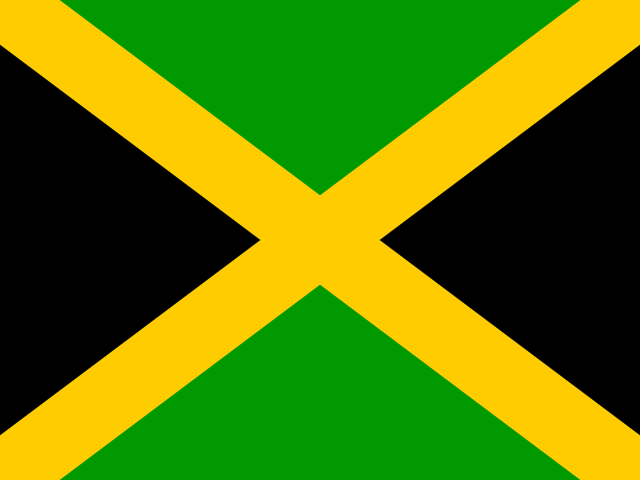 Jamaica
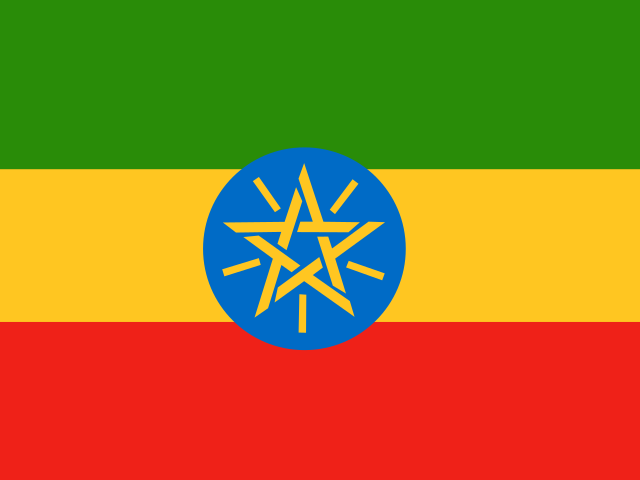 Ethiopia
 Soviet Union
 Cuba
 Germany DR (1949-89)
 Poland
 Czech Republic
 Australia
 Ukraine
 Morocco
 Republic of South Africa
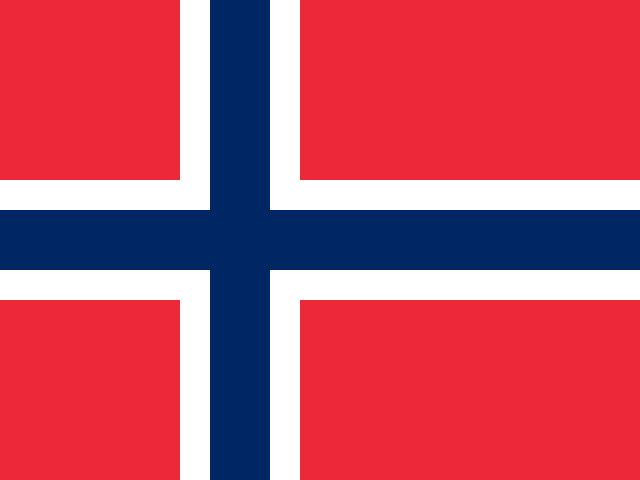 Norway
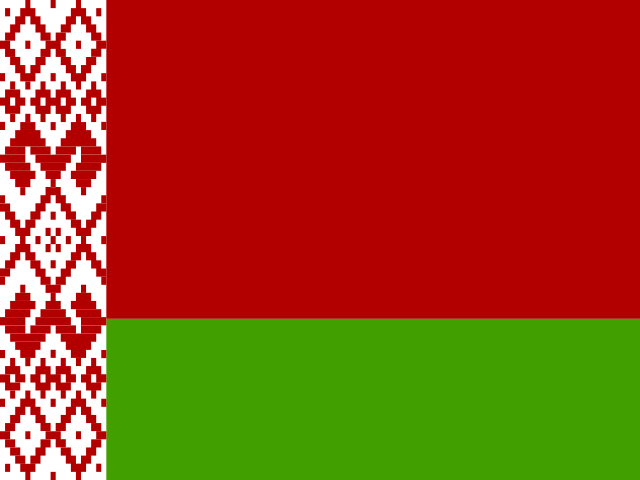 Belarus
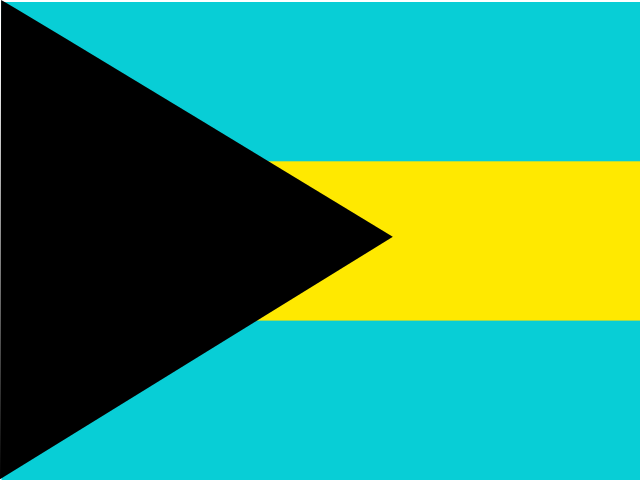 Bahamas
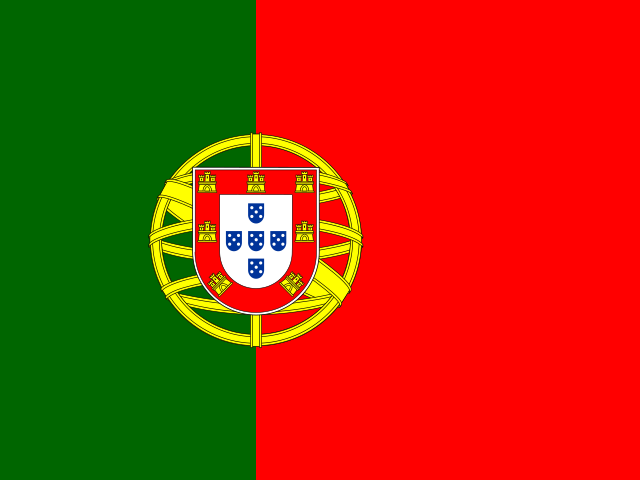 Portugal
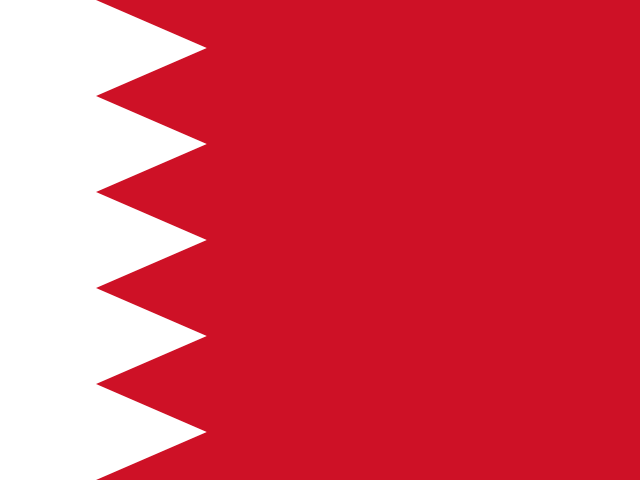 Bahrain
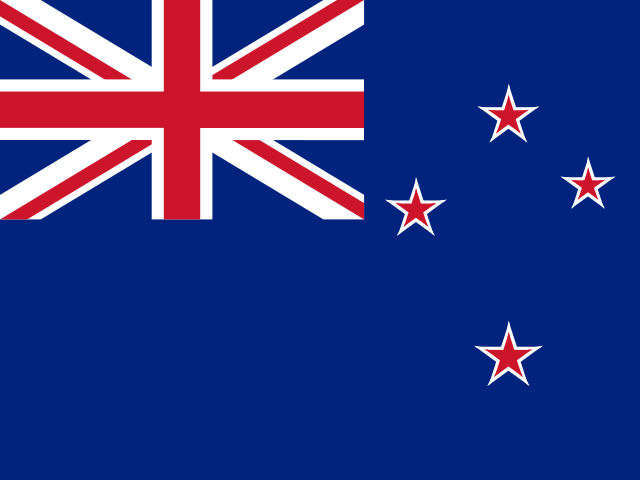 New Zealand
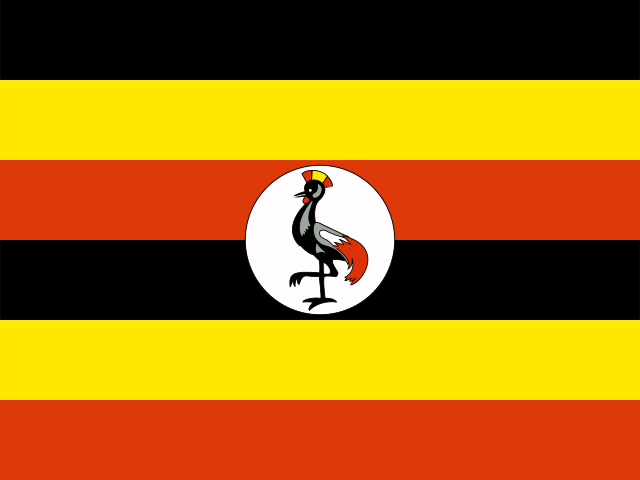 Uganda
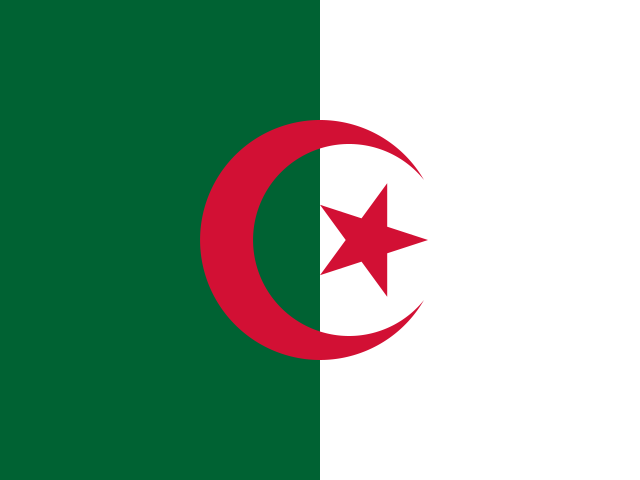 Algeria
 Romania
 Bulgaria
 Switzerland
 Trinidad & Tobago
 Croatia
 Colombia
 Dominican Republic
 Ireland
 Ecuador
 Venezuela
 Brazil
 Authorized Neutral Athletes
 Mexico
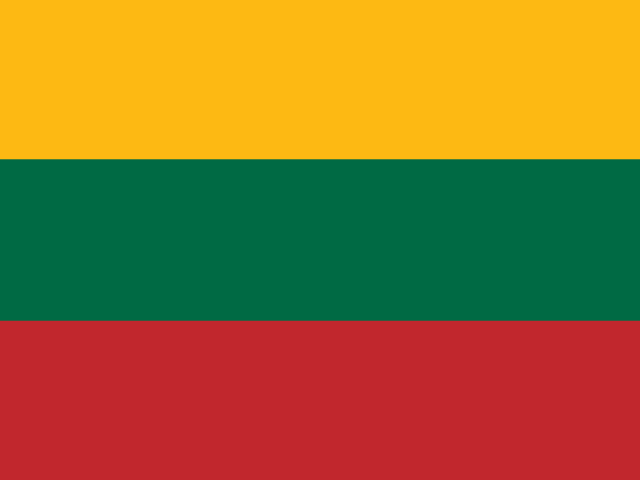 Lithuania
 Botswana
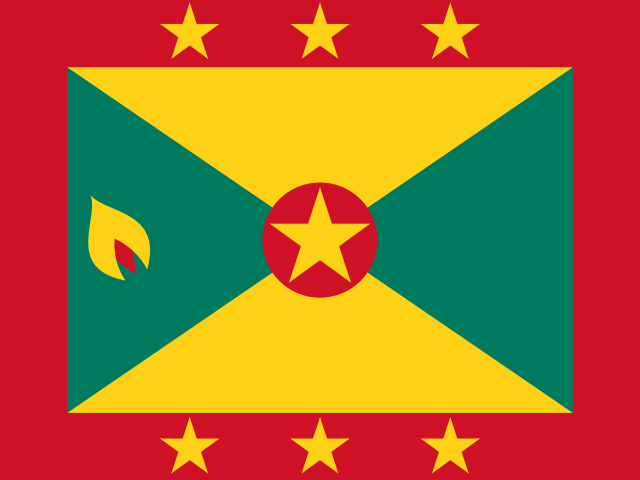 Grenada
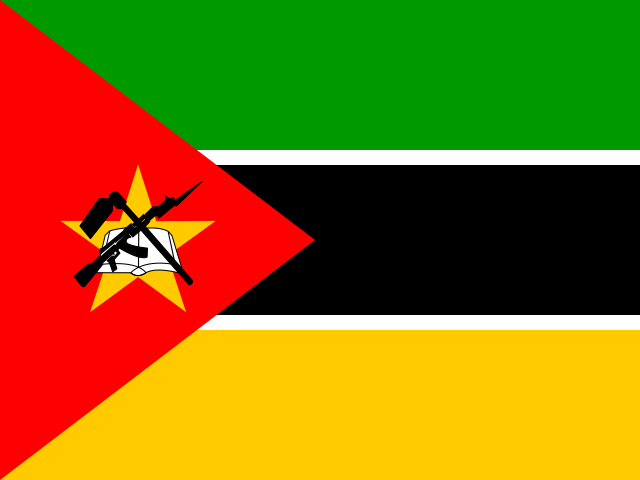 Mozambique
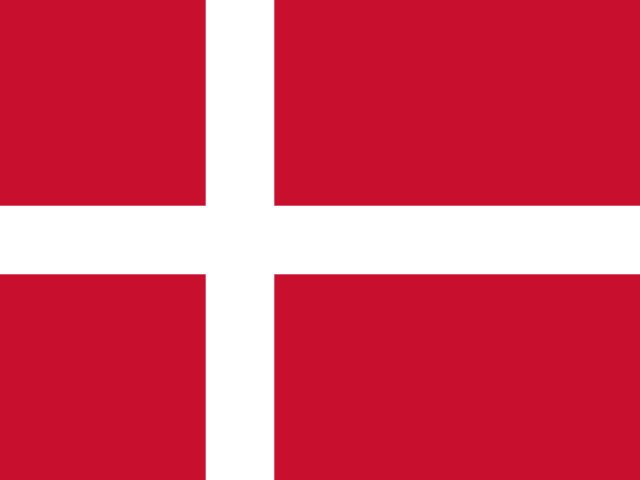 Denmark
 Estonia
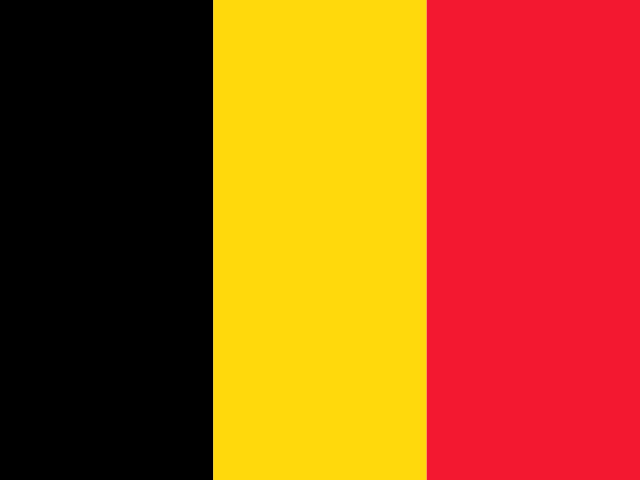 Belgium
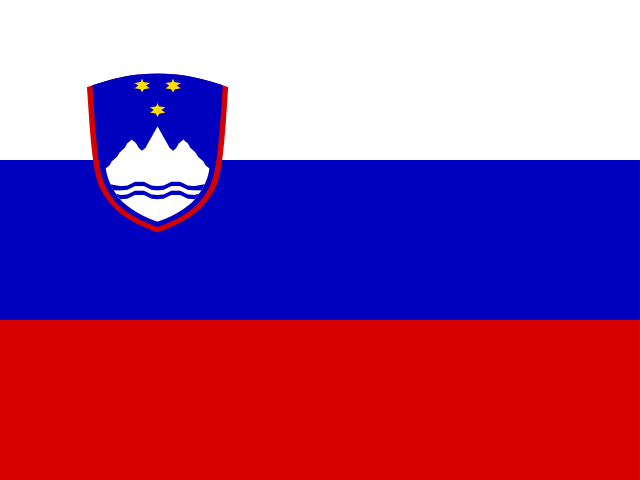 Slovenia
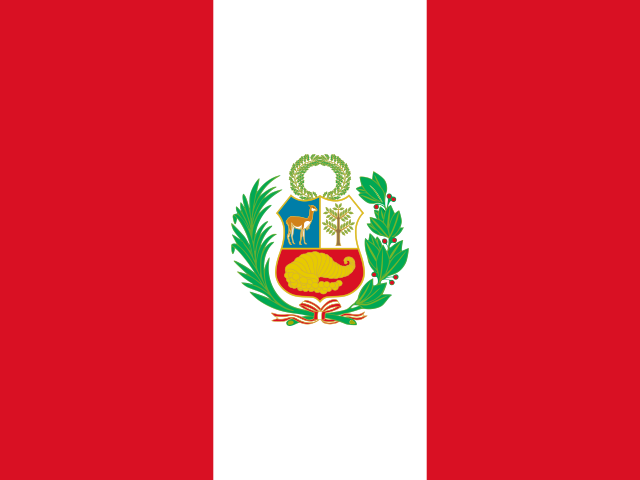 Peru
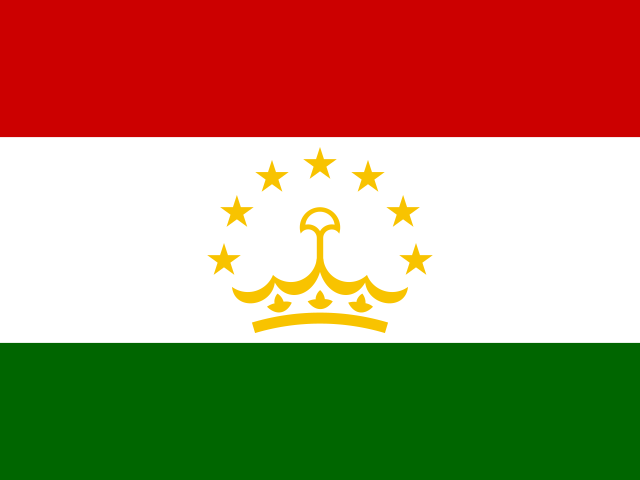 Tajikistan
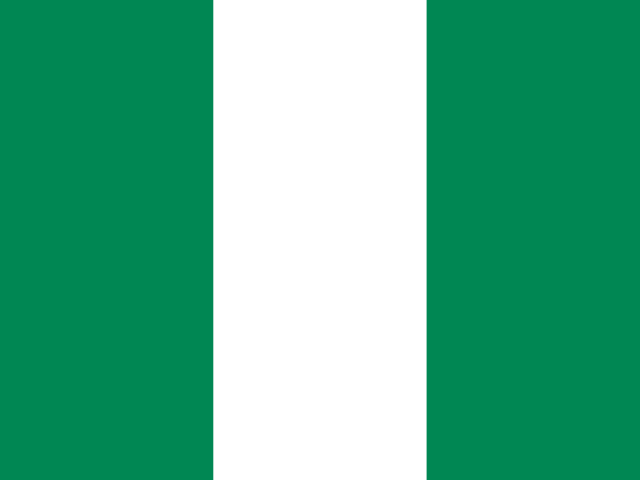 Nigeria
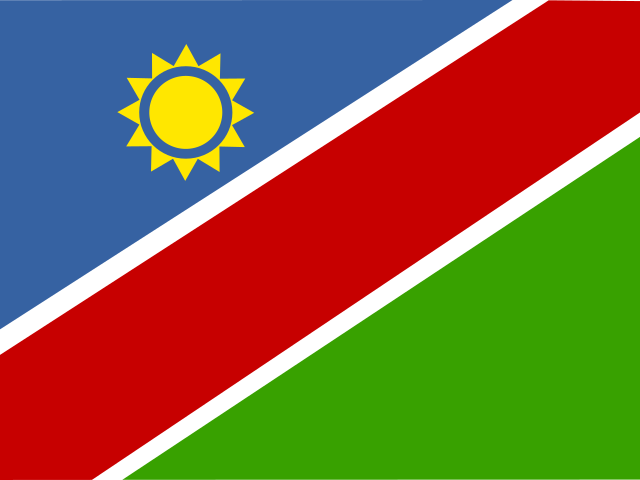 Namibia
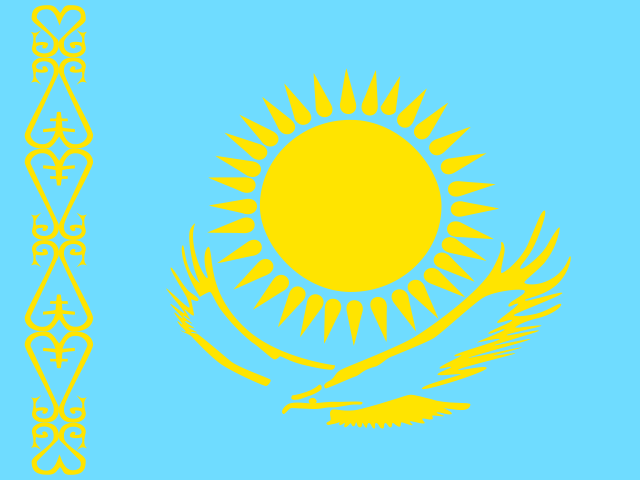 Kazakhstan
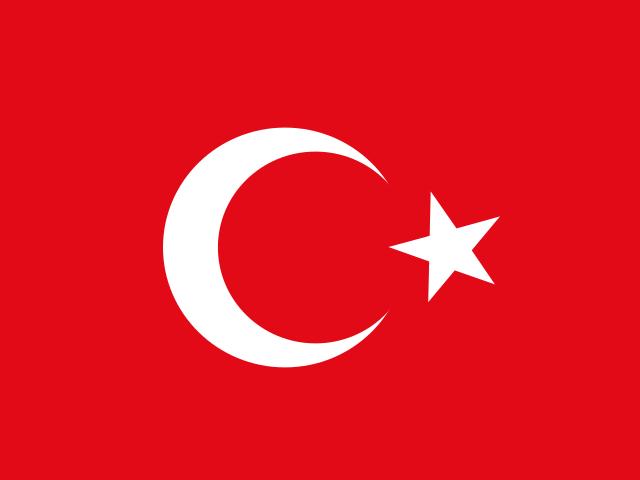 Turkey
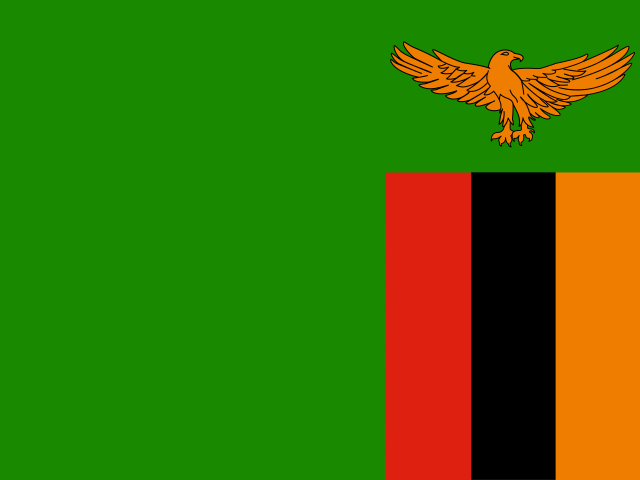 Zambia
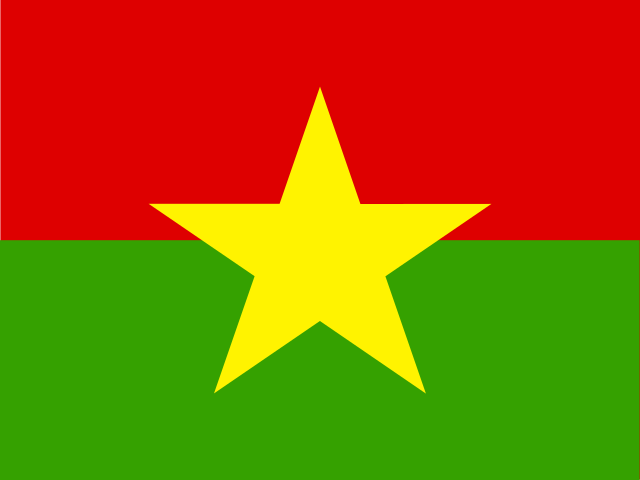 Burkina Faso
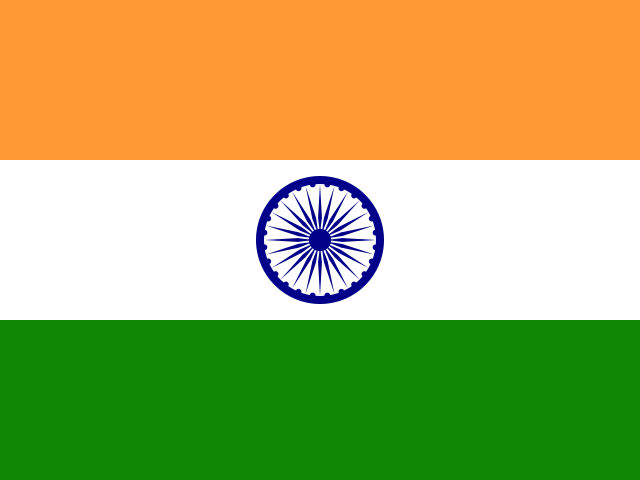 India
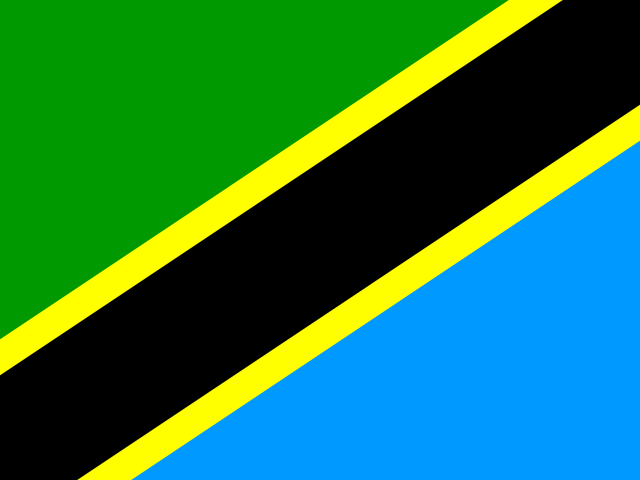 Tanzania
 Tunisia
 Eritrea
 Panama
 St. Kitts & Nevis
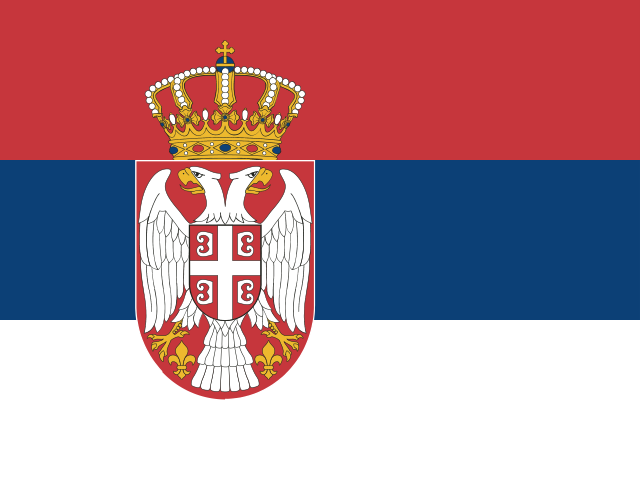 Serbia
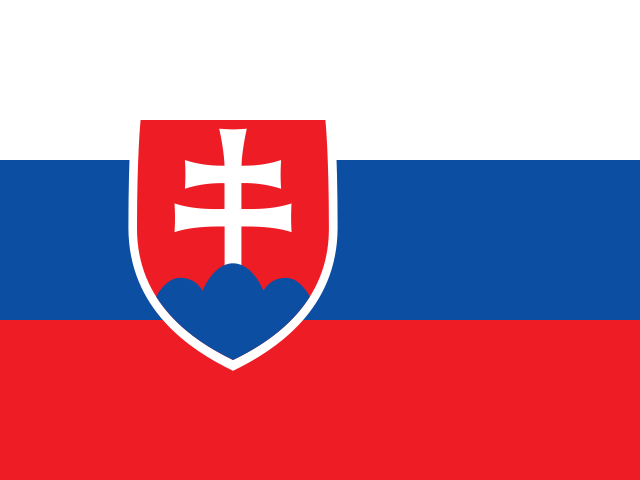 Slovakia
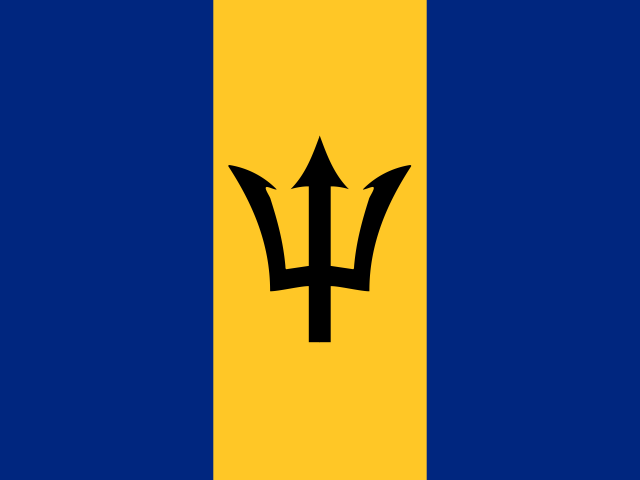 Barbados
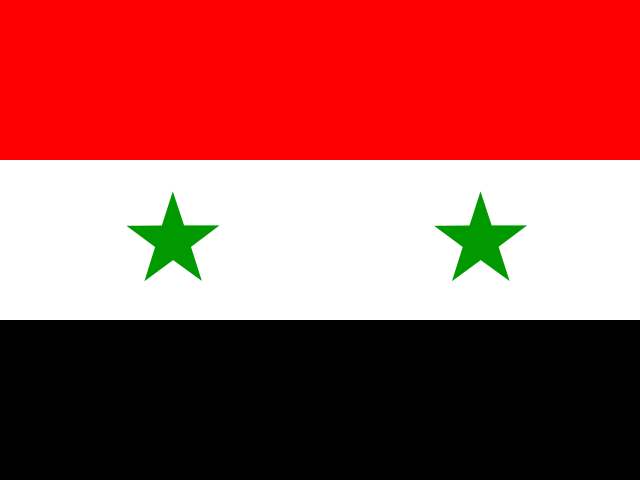 Syria
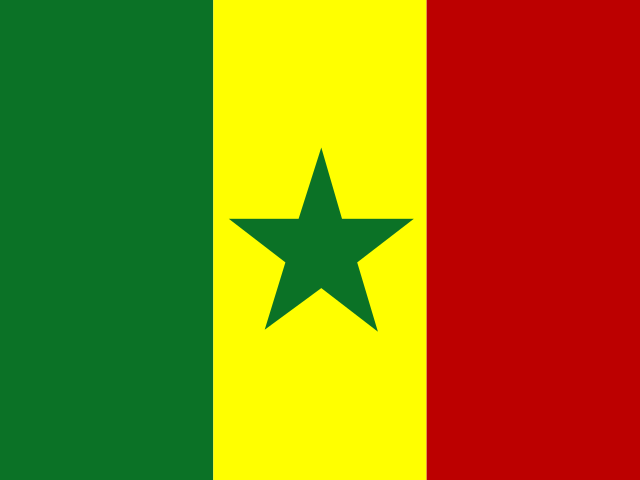 Senegal
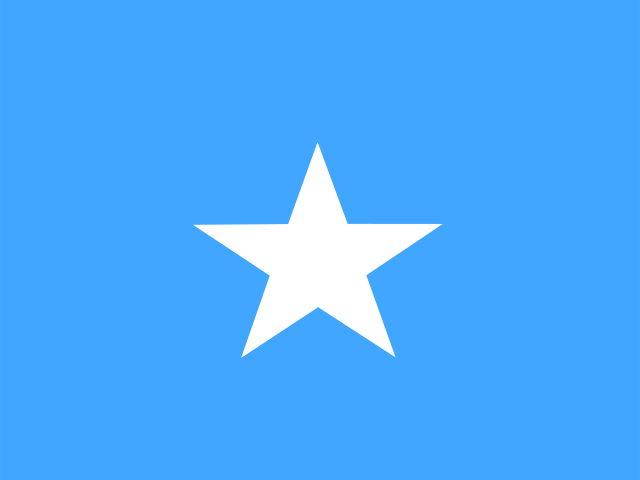 Somalia
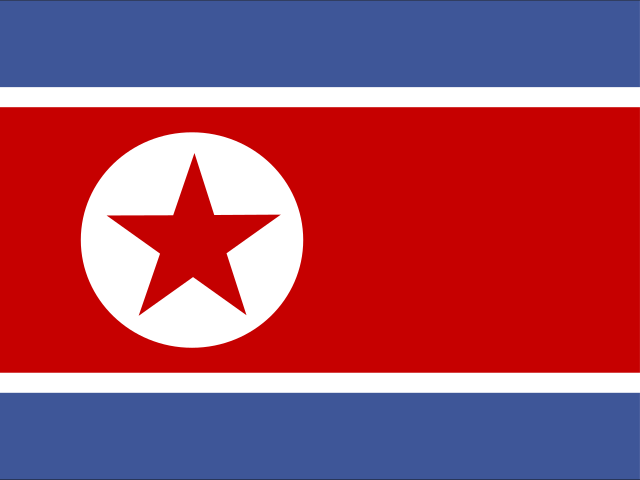 DPR of Korea
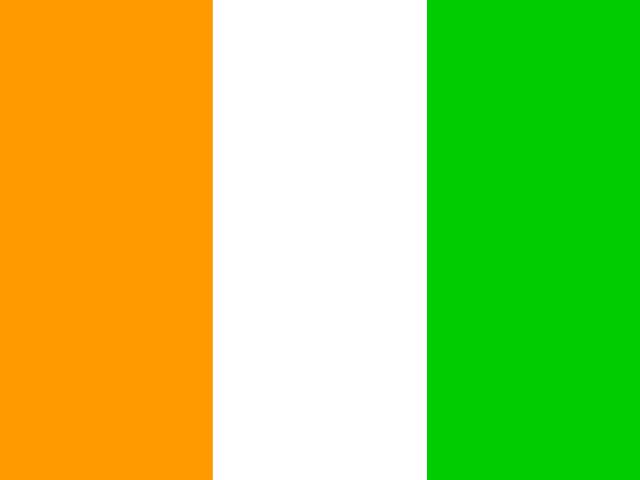 Ivory Coast
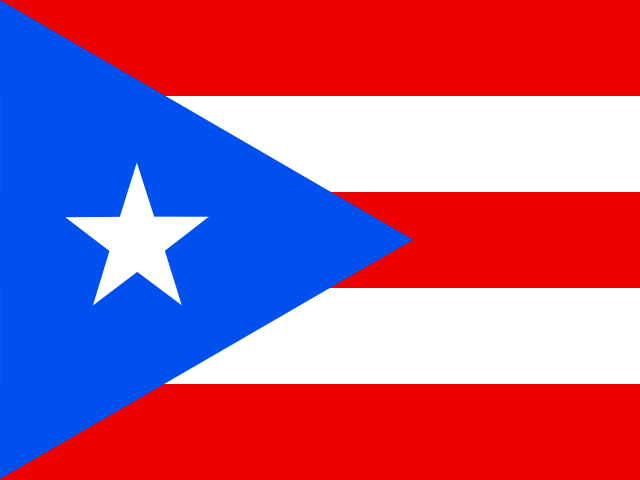 Puerto Rico
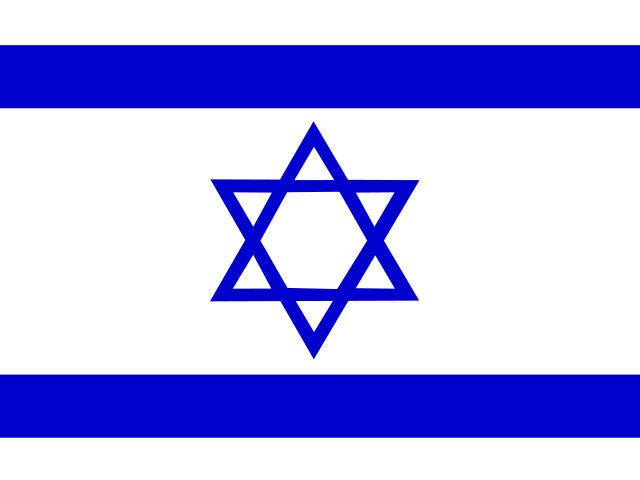 Israel
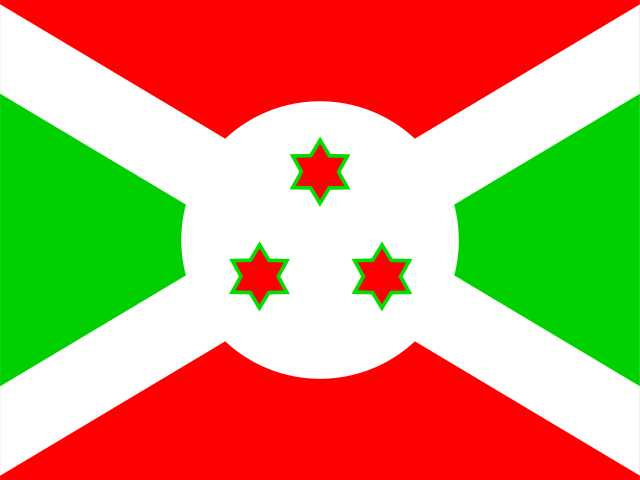 Burundi
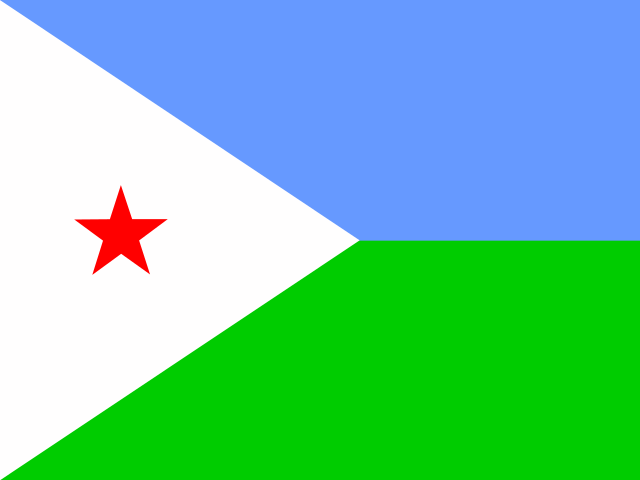 Djibouti
 Latvia
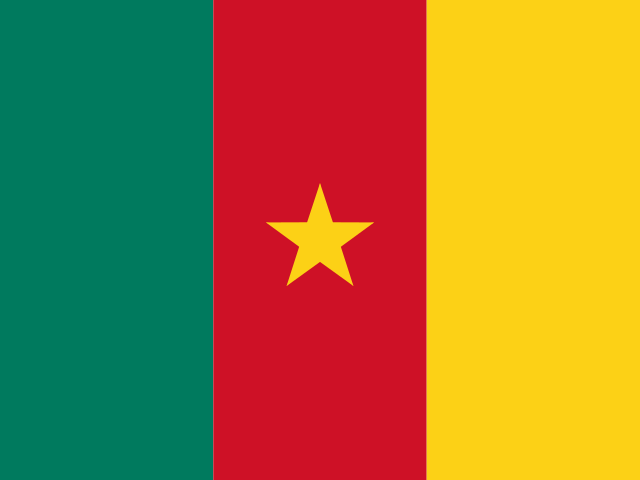 Cameroon
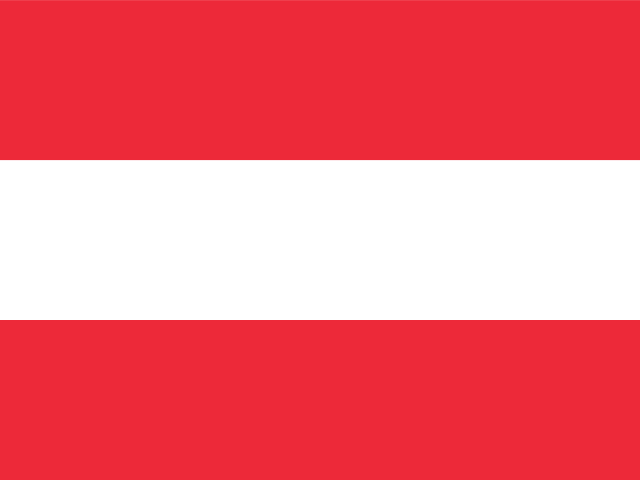 Austria
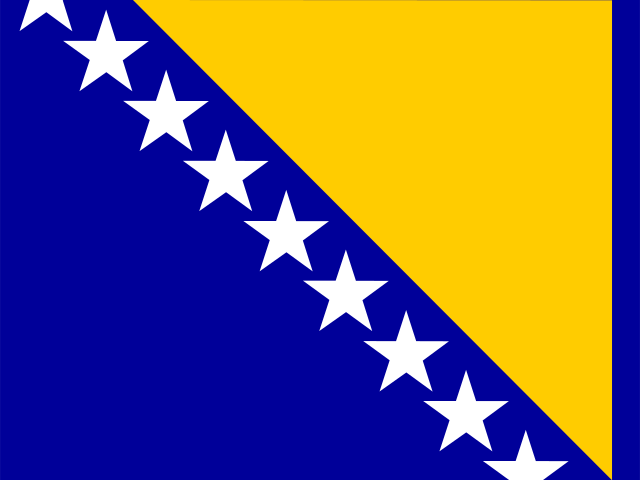 Bosnia-Herzegovina
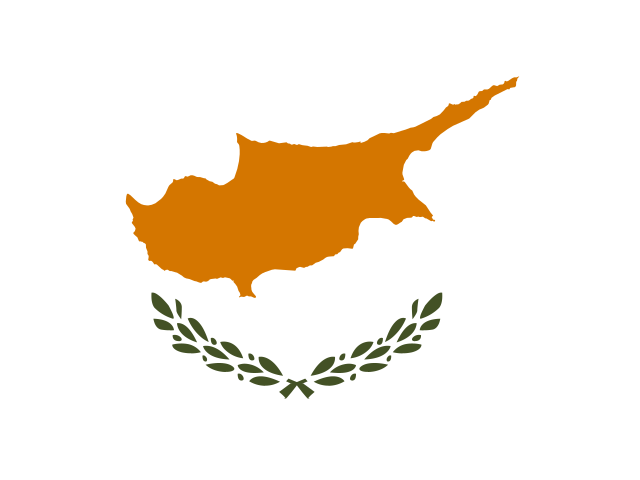 Cyprus
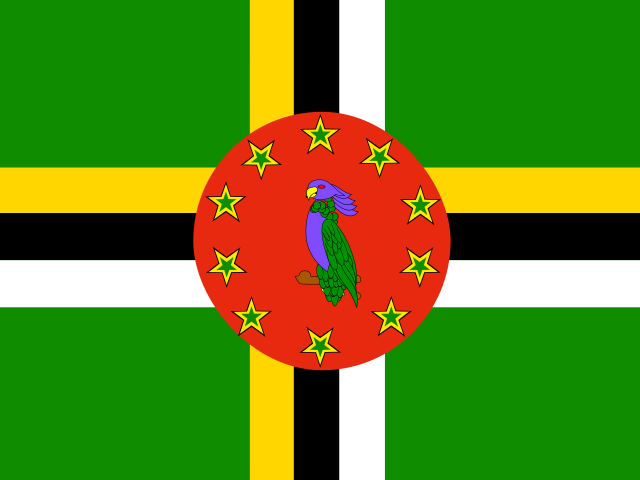 Dominica
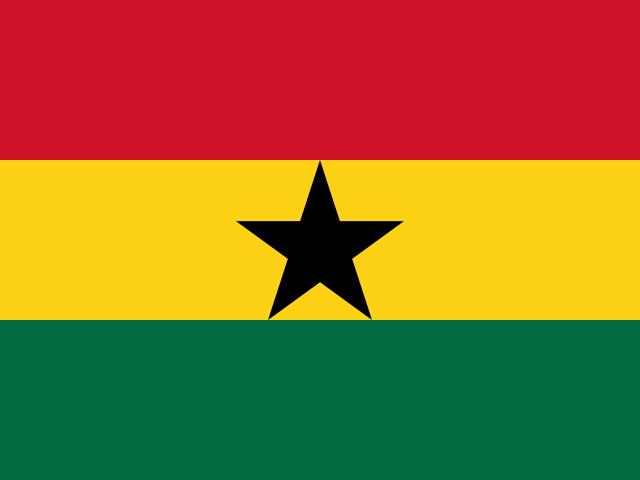 Ghana
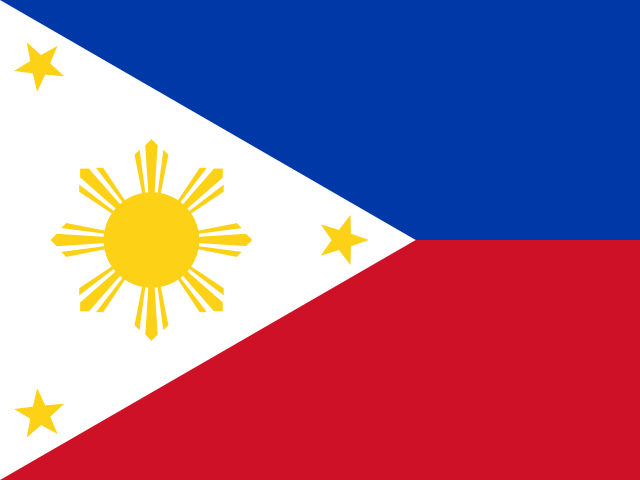 Philippines
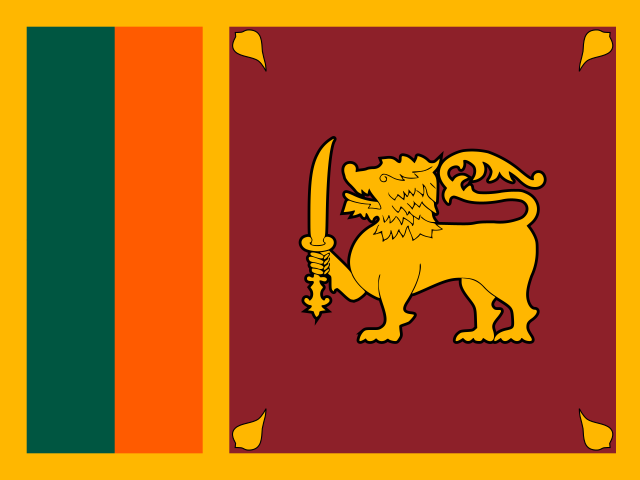 Sri Lanka
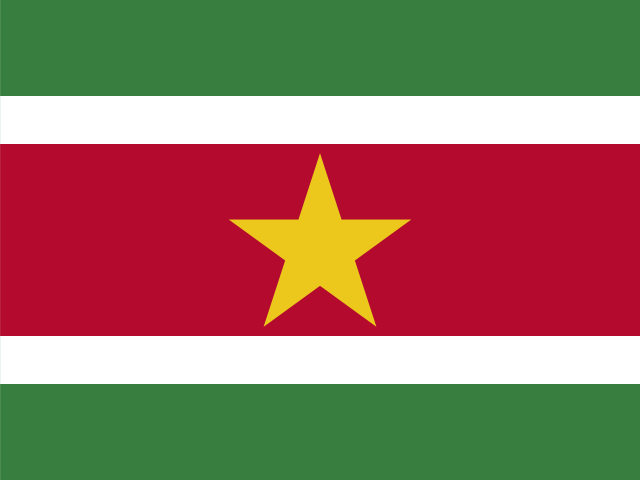 Surinam
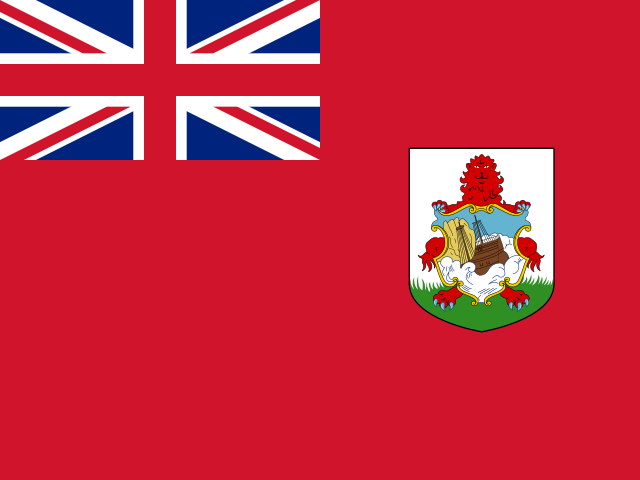 Bermuda
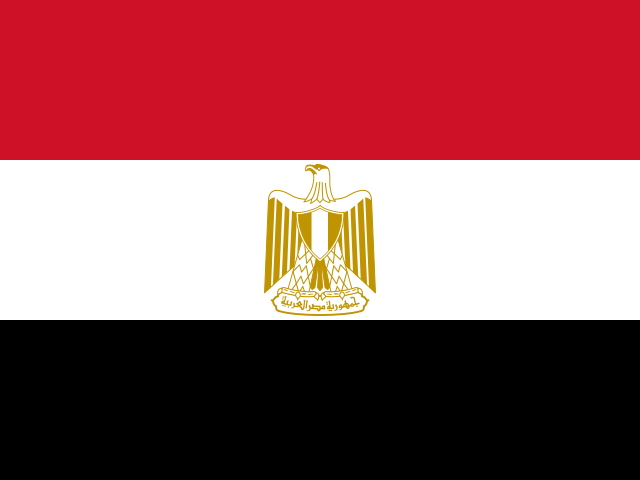 Egypt
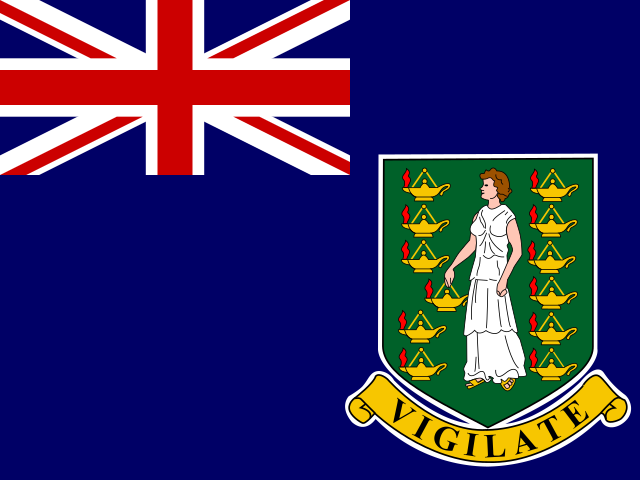 British Virgin Islands
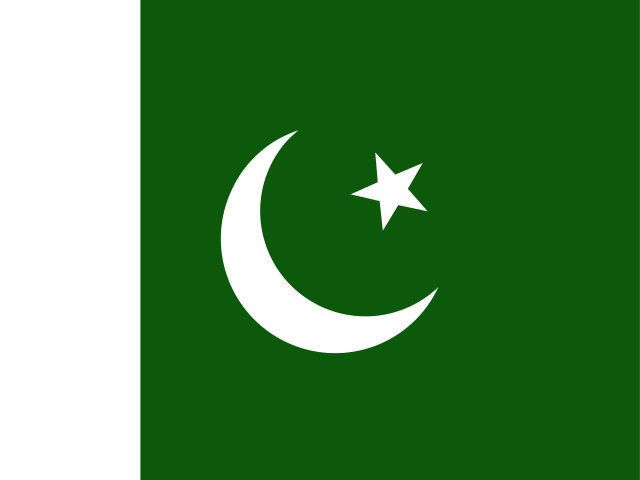 Pakistan
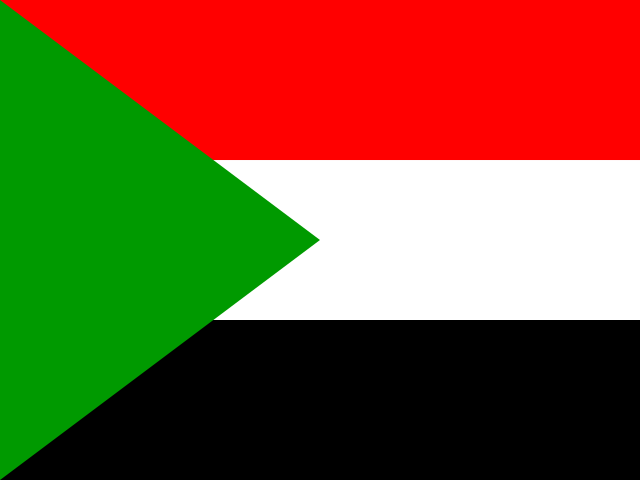 Sudan
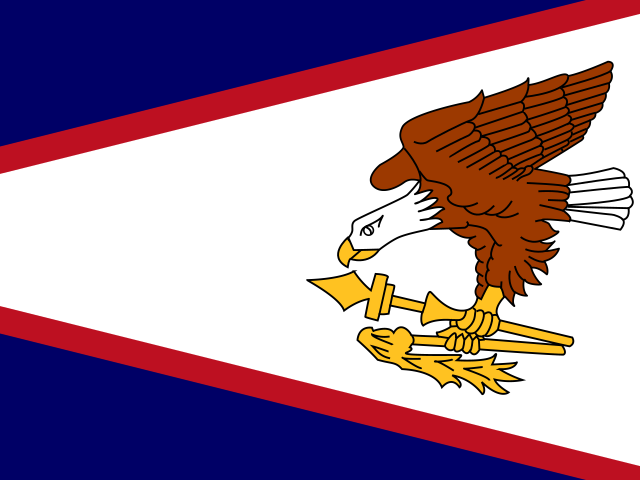 American Samoa
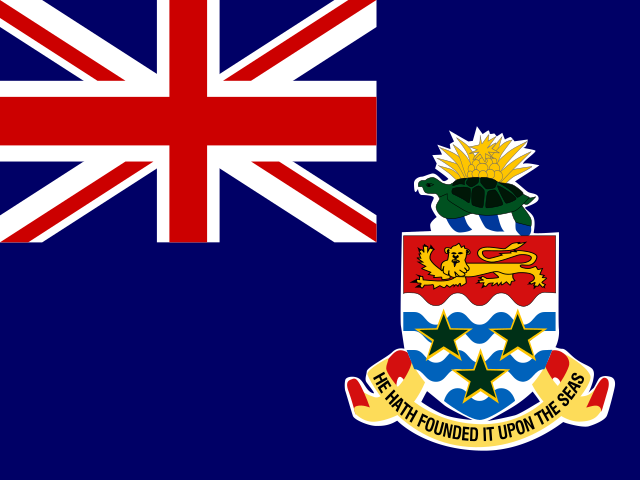 Cayman Islands
 Haiti
 Iran IR
 Saudi Arabia
 St. Lucia
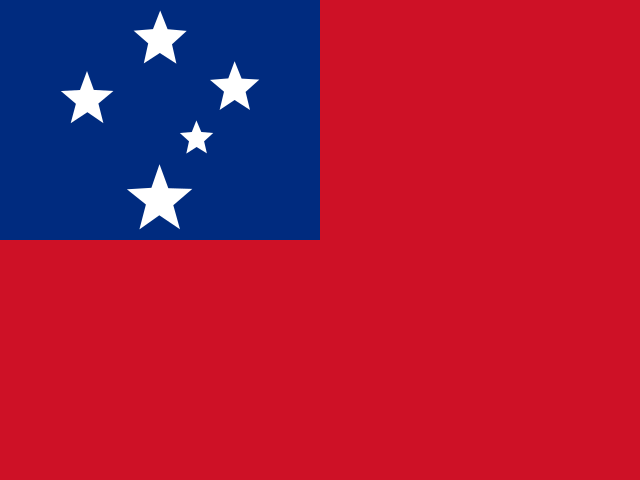 Samoa
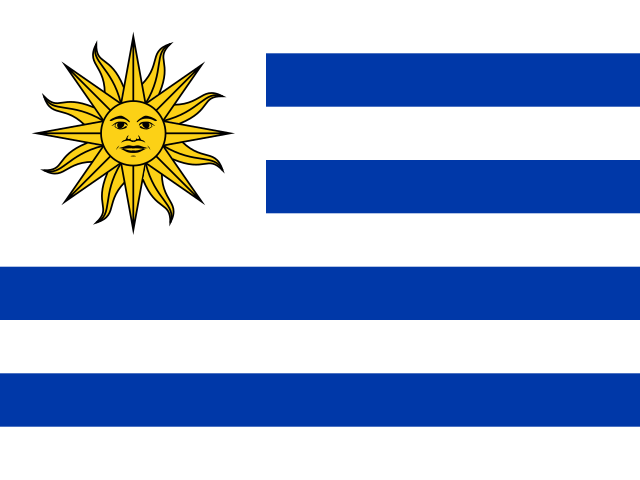 Uruguay
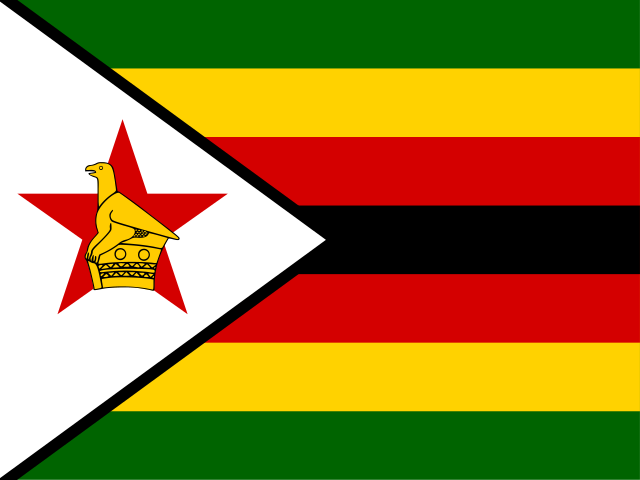 Zimbabwe